Starting Fitness Without Feeling Overwhelmed
Beginning a fitness routine can feel strangely complicated. You decide you want to move more, feel stronger, lose a little weight, improve stamina, or simply stop feeling stiff after a long day. Then suddenly there are workout plans, calorie trackers, step counters, gym programs, yoga videos, running schedules, and advice coming from every direction. It is enough to make a beginner close the app store before even downloading anything.
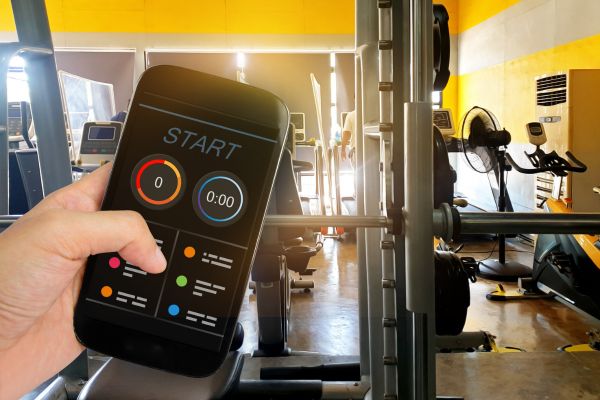
That is where fitness apps for beginners can be genuinely helpful. A good app does not need to turn your life upside down. It should make exercise feel more approachable, less confusing, and easier to repeat. For someone just starting out, the right app can act like a quiet guide in your pocket, giving structure without making fitness feel like a full-time job.
The goal is not to become perfect in week one. It is to begin in a way that feels realistic enough to continue.
Why Beginners Often Benefit From Fitness Apps
One of the hardest parts of starting fitness is not the workout itself. It is knowing what to do next. Should you walk, stretch, lift weights, try bodyweight exercises, or follow a cardio routine? How long should a session be? What if you cannot do a push-up yet? What if you miss two days?
Fitness apps can reduce that guesswork. They usually provide ready-made routines, reminders, progress tracking, and beginner-friendly instructions. Instead of designing a full plan from scratch, you can follow a simple path and adjust as your confidence grows.
For beginners, this structure matters. When exercise feels vague, it is easy to delay it. When the app says, “Today, do a 15-minute low-impact session,” the decision becomes lighter. You only have to show up.
Choosing an App That Matches Your Real Life
The best fitness app is not always the most famous one. It is the one you will actually use. That sounds obvious, but many beginners choose apps based on what looks impressive rather than what fits their routine.
If your schedule is busy, an app with short workouts may be better than one built around long training sessions. If you feel uncomfortable going to the gym, a home workout app might help you start privately. If you enjoy walking, a step-tracking or walking-plan app may feel more natural than a high-intensity program. If you need calm as much as movement, yoga, stretching, or Pilates-based apps may be a better starting point.
Fitness should fit into your life before it can improve your life. An app that demands too much too soon may look powerful, but it can also make beginners feel behind before they have even begun.
Features That Make Fitness Apps Beginner-Friendly
A beginner-friendly fitness app should feel clear from the first few minutes. It should not assume that you already know exercise terms or proper form. Simple video demonstrations, warm-up guidance, rest periods, and difficulty options all make a big difference.
Progress tracking is also useful, especially when changes in the mirror or on the scale take time. Seeing that you completed eight workouts this month or walked more steps than last week can be quietly motivating. Small proof matters.
Reminders can help too, as long as they do not become annoying. A gentle nudge in the evening may be enough to remind you to stretch or take a walk. But if an app makes you feel guilty every time you miss a session, it may not be the right emotional fit.
The best fitness apps for beginners support consistency without turning health into pressure.
Home Workout Apps for Simple Strength
Home workout apps are often a comfortable entry point for beginners. They usually require little or no equipment, which removes one of the biggest barriers to starting. You do not need a gym membership, expensive shoes, or a room full of gear. A mat, some space, and ten to twenty minutes can be enough.
These apps often include bodyweight exercises such as squats, wall push-ups, glute bridges, planks, modified lunges, and gentle core movements. For beginners, modifications are important. A good app will show easier versions of exercises instead of acting as though everyone can jump straight into advanced movements.
Strength training is especially valuable because it supports posture, metabolism, joint health, and daily movement. Even basic routines can make stairs easier, improve balance, and reduce that heavy, tired feeling that comes from inactivity.
Walking and Step-Tracking Apps for Gentle Progress
Walking may not look dramatic, but it is one of the most beginner-friendly forms of fitness. It is low-cost, low-pressure, and easy to adjust. Walking apps and step trackers can turn this simple habit into something more measurable.
For someone who has been inactive, even increasing daily steps gradually can improve energy and confidence. A walking app may help set realistic goals, such as walking for ten minutes after lunch or reaching a modest step target by evening.
The trick is to avoid comparing your numbers with someone else’s. A beginner’s progress should be measured against their own starting point. If you walked more this week than last week, that counts. If you took a short walk instead of skipping movement entirely, that counts too.
Fitness apps can help make these small wins visible.
Yoga, Stretching, and Mobility Apps for Stiff Bodies
Not every beginner wants to start with sweat-heavy workouts. Many people begin fitness because they feel stiff, tense, or disconnected from their body. For them, yoga, stretching, and mobility apps may be the most welcoming option.
These apps can help improve flexibility, posture, breathing, and body awareness. A short morning stretch or evening mobility session can ease tight hips, shoulders, neck tension, and lower back discomfort caused by long sitting.
The slower pace also gives beginners time to learn how their body moves. That awareness can make future workouts safer and more enjoyable. Fitness is not only about burning calories. Sometimes it starts with being able to bend, reach, breathe deeply, and feel comfortable in your own skin again.
Nutrition and Habit Apps Should Be Used Carefully
Some fitness apps include food tracking, calorie counting, water reminders, sleep logs, and habit-building tools. These features can be helpful, but beginners should use them with balance.
Tracking food can teach awareness, especially if someone has no idea how their eating patterns affect energy and progress. But it can also become stressful if the app feels too strict. Not every meal needs to be perfect. Not every snack needs to be judged.
For beginners, it may be better to start with simple habits. Drink more water. Add protein to meals. Eat more vegetables. Reduce late-night overeating. Sleep a little earlier. These changes may sound basic, but they support exercise in a very real way.
A fitness app should guide healthier choices, not make daily life feel like an exam.
How to Build a Beginner Routine With an App
A good beginner routine should be simple enough to repeat. Three to four workout days per week is a realistic starting point for many people. On other days, walking, stretching, or light movement can keep the habit alive without overloading the body.
For example, a beginner might use a strength app on Monday, Wednesday, and Friday, then follow a short stretching routine on Tuesday or Saturday. Another person may prefer daily walks with two short home workouts each week. Someone with low energy may begin with ten minutes a day and slowly increase from there.
The exact routine matters less than the rhythm. Beginners do better when exercise becomes familiar rather than extreme. The body adapts through repetition, not occasional bursts of intensity followed by long breaks.
Avoiding the All-or-Nothing Mindset
One of the biggest mistakes beginners make is thinking that a missed workout ruins everything. It does not. Real life interrupts routines. Work runs late. Sleep is poor. Motivation drops. Family responsibilities appear. This is normal.
Fitness apps can sometimes make missed sessions look like failure because streaks reset or progress charts pause. Try not to take that too seriously. A streak is a tool, not a measure of your worth. If you miss a day, return the next day. If you miss a week, restart gently.
The most successful beginners are not the ones who never slip. They are the ones who learn how to come back without turning one missed session into a full stop.
When to Move Beyond Beginner Programs
After several weeks, beginner workouts may start to feel easier. That is a good sign. You may notice that you can complete sessions with better form, recover faster, or choose harder variations. At that point, it may be time to move to the next level within the app.
Progress should feel challenging but manageable. If every workout leaves you exhausted, the jump may be too big. If every session feels effortless, the body may need a new stimulus. Many apps allow you to change difficulty, add equipment, increase time, or explore new styles of training.
This stage can be exciting because fitness starts to feel less like something you are forcing yourself to do and more like something you are learning to shape around your own goals.
Conclusion
Fitness apps for beginners can make the first steps into exercise feel clearer, calmer, and more achievable. They offer structure when motivation is uncertain, guidance when workouts feel confusing, and small signs of progress when results are still developing quietly.
The key is choosing an app that fits your real life, not an ideal version of it. Start with manageable routines, listen to your body, and let consistency matter more than perfection. Over time, those small sessions, short walks, gentle stretches, and repeated check-ins begin to add up. Fitness becomes less intimidating, more personal, and much easier to keep.