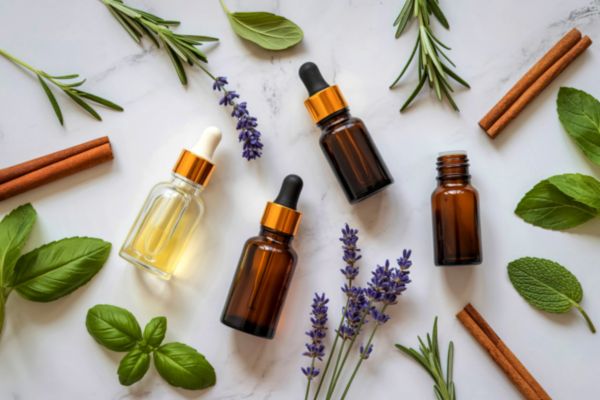
Stress has become such a normal part of modern life that many people almost forget what it feels like to fully relax. The body stays alert, the mind keeps replaying unfinished tasks, and even quiet moments can feel restless. While stress cannot always be removed completely, small daily rituals can help soften its weight. One of the simplest natural practices people turn to is aromatherapy.
Essential oils for stress relief have been used for centuries in different wellness traditions, not as magic cures, but as gentle sensory tools that may help the body and mind settle. A familiar calming scent can shift the mood of a room, make a nighttime routine feel softer, or bring a moment of stillness during a busy day. The effect is subtle, but sometimes subtle is exactly what the nervous system needs.
How Essential Oils Support Relaxation
Essential oils are concentrated plant extracts taken from flowers, leaves, bark, roots, peels, or seeds. Their scent reaches the brain through the sense of smell, which is closely connected with memory, emotion, and mood. This is why a particular aroma can instantly remind you of a place, a person, or a feeling.
When used thoughtfully, essential oils can become part of a calming routine. They may encourage slower breathing, create a peaceful environment, and help signal to the body that it is safe to unwind. The oil itself is not doing all the work. The ritual matters too. Taking a pause, breathing deeply, dimming the lights, or massaging diluted oil into the skin all add to the relaxing effect.
It is important to be realistic. Essential oils do not replace sleep, emotional support, medical care, or healthy lifestyle habits. But they can be a comforting addition to stress management, especially when used with care and consistency.
Lavender Essential Oil for Everyday Calm
Lavender is probably the best-known essential oil for relaxation, and for good reason. Its soft floral scent feels clean, gentle, and familiar. Many people use it before bed, during meditation, or after a long, overstimulating day.
Lavender works beautifully in a diffuser in the evening. A few drops can make a bedroom feel quieter, even before sleep begins. It can also be added to a carrier oil, such as coconut, almond, or jojoba oil, and gently massaged onto the shoulders, wrists, or neck. The warmth of touch combined with the scent often creates a deeper sense of calm.
For people who feel emotionally tense or mentally scattered, lavender is a good starting point. It blends well with many other oils and rarely feels too sharp or heavy. Still, like all essential oils, it should be used in moderation and properly diluted before applying to the skin.
Bergamot Essential Oil for a Brighter Mood
Bergamot has a citrusy scent with a soft floral edge. It feels uplifting without being too energetic, which makes it useful when stress comes with low mood, heaviness, or emotional tiredness. Unlike sharper citrus oils, bergamot has a rounded warmth that can make a room feel fresh and comforting at the same time.
This oil is often used during the day, especially when the mind feels dull or weighed down. Diffusing bergamot while journaling, stretching, or working quietly can create a pleasant emotional reset. It pairs nicely with lavender, frankincense, and cedarwood.
One important note is that bergamot can make the skin more sensitive to sunlight if used topically, unless it is clearly labeled as bergapten-free. For this reason, it is usually safer to enjoy bergamot through diffusion rather than applying it before going outdoors.
Chamomile Essential Oil for Emotional Softness
Chamomile has a sweet, herbal, apple-like scent that feels gentle and nurturing. It is often associated with bedtime teas, quiet evenings, and comfort after an emotionally tiring day. In essential oil form, chamomile can be especially helpful when stress feels tender, anxious, or tied to restlessness.
Roman chamomile is commonly used for relaxation because of its soft aroma. It blends well with lavender and sandalwood, creating a peaceful scent that works nicely in nighttime routines. A diluted chamomile blend can also be used for a calming hand or foot massage before sleep.
This oil is not loud or dramatic. Its beauty is in how soft it feels. For people who do not enjoy strong fragrances, chamomile may be easier to welcome into a daily routine.
Frankincense Essential Oil for Grounding the Mind
Frankincense has a warm, resinous, slightly earthy scent. It is often used during prayer, meditation, slow breathing, and reflective practices. When stress makes the mind feel scattered, frankincense can help create a grounded atmosphere.
This oil is less about instant comfort and more about depth. It encourages stillness. A few drops in a diffuser during quiet time can make a space feel centered and steady. It also works well with lavender, orange, cedarwood, and sandalwood.
Frankincense is a good choice for evening routines, especially for people who carry mental tension from the day. It can turn a simple breathing practice into something more intentional. Even five minutes with this scent can feel like a pause button.
Ylang Ylang Essential Oil for Tension and Overwhelm
Ylang ylang has a rich, sweet, floral scent that can feel luxurious and deeply relaxing. It is often used when stress shows up as irritability, emotional intensity, or physical tension. The aroma is strong, so a little goes a long way.
Because ylang ylang can be quite sweet, it blends well with citrus oils like bergamot or orange, which help brighten it. It also pairs nicely with grounding oils such as cedarwood or patchouli. In a diffuser, one drop of ylang ylang may be enough, especially in smaller rooms.
This oil may not suit everyone. Some people love its lush floral scent, while others find it too heavy. The best approach is to start with a tiny amount and see how the body responds.
Cedarwood Essential Oil for a Sense of Stability
Cedarwood has a dry, woody scent that feels steady and grounding. It is a wonderful oil for people who do not enjoy floral aromas but still want something calming. Its scent is quiet, warm, and almost earthy, like walking through a peaceful forest.
Cedarwood is especially useful at night. It can be diffused before bed or blended with lavender for a balanced sleep-friendly aroma. It also works well in massage oils because its grounding scent tends to linger gently on the skin.
When stress feels like overthinking, cedarwood brings a sense of weight and stillness. It does not brighten the mood like citrus oils, but it helps create emotional stability, which can be just as important.
Sweet Orange Essential Oil for Gentle Uplift
Sweet orange essential oil has a cheerful, bright scent that can make a space feel warmer almost instantly. It is not as deeply sedating as lavender or chamomile, but it can help ease stress by lifting the atmosphere. Sometimes relaxation does not come from becoming sleepy; sometimes it comes from feeling lighter.
This oil is lovely in the morning or afternoon when stress feels connected to fatigue or low motivation. Diffusing sweet orange with cedarwood creates a cozy, balanced blend. Mixed with lavender, it becomes soft and comforting.
Like many citrus oils, orange should be used carefully on the skin and properly diluted. For most people, diffusion is the easiest and safest way to enjoy it.
Simple Calming Blends to Try at Home
Creating blends is one of the most enjoyable parts of using essential oils. A calming evening blend might combine lavender, cedarwood, and frankincense. For emotional softness, lavender and chamomile work beautifully together. For daytime stress, bergamot with sweet orange and a touch of frankincense can feel uplifting but still peaceful.
The secret is not to use too many oils at once. Three oils are usually enough for a balanced blend. Too many scents can become confusing or overwhelming, especially when the goal is relaxation. Start with a small number of drops and adjust slowly.
A personal blend should feel pleasant to you. Even if an oil is popular for stress relief, it will not be helpful if you dislike the scent. Aromatherapy is personal, and your own comfort matters.
Safe Ways to Use Essential Oils
Essential oils are natural, but they are also highly concentrated. They should be used with respect. For diffusion, a few drops are usually enough. The room should be well ventilated, and long continuous diffusion is not always necessary. Short sessions often work better.
For skin application, essential oils should be diluted in a carrier oil. Applying them directly to the skin can cause irritation, especially for sensitive people. A patch test is wise before using a new oil more widely.
Essential oils should not be swallowed unless guided by a qualified professional. They should also be used carefully around babies, pregnant people, older adults, and pets, as some oils may not be suitable. If someone has asthma, allergies, migraines, or a medical condition, it is better to be cautious and seek professional advice when needed.
Turning Aromatherapy Into a Stress-Relief Ritual
The real power of essential oils often comes from the routine built around them. Diffusing lavender while rushing through emails may not feel very calming. But using lavender while dimming the lights, putting the phone aside, and breathing slowly for five minutes can make a real difference.
A stress-relief ritual does not have to be elaborate. It may be as simple as placing a diffuser near the bed, massaging diluted oil into the hands, or adding a calming scent to a warm bath. The point is to give the mind a signal that the day is slowing down.
Over time, the brain begins to connect that scent with rest. This is where aromatherapy becomes more than fragrance. It becomes a familiar doorway into calm.
Conclusion
Essential oils for stress relief offer a gentle, natural way to create moments of calm in everyday life. Lavender, bergamot, chamomile, frankincense, ylang ylang, cedarwood, and sweet orange each bring their own kind of comfort, from quiet grounding to soft emotional uplift.
They are not a complete answer to stress, and they should never be treated as a replacement for proper care, rest, or support. But when used safely and intentionally, essential oils can help make relaxation feel more accessible. Sometimes the smallest ritual, a familiar scent, a slower breath, a quiet room, can remind the body that it does not have to stay tense forever.
In a world that often asks us to keep going, aromatherapy offers a simple invitation to pause. And that pause, even for a few minutes, can be surprisingly healing.