Living with Endometriosis can feel like navigating an unpredictable landscape. Some days are manageable; others bring waves of discomfort that disrupt routines, sleep, and even emotional well-being. While medical treatment remains essential, many women turn toward endometriosis natural remedies to find additional relief and regain a sense of control over their bodies.
This isn’t about replacing medical care—it’s about supporting the body in ways that feel sustainable, gentle, and empowering. Natural approaches often work quietly in the background, helping reduce inflammation, balance hormones, and ease pain over time.
Understanding the Nature of Endometriosis
Endometriosis occurs when tissue similar to the lining of the uterus grows outside it, often affecting the ovaries, fallopian tubes, and pelvic lining. This misplaced tissue responds to hormonal changes, leading to inflammation, pain, and sometimes scar tissue formation.
The symptoms vary widely. Some women experience intense pelvic pain, especially during menstruation, while others struggle with fatigue, digestive discomfort, or fertility challenges. Because the condition is complex, managing it often requires a combination of approaches—medical, lifestyle, and natural.
The Role of Natural Remedies in Daily Life
Endometriosis natural remedies are not quick fixes. Instead, they aim to create a healthier internal environment where inflammation is reduced and hormonal balance is supported. Think of them as small, consistent shifts that gradually influence how the body responds.
Many women notice that these approaches don’t eliminate symptoms entirely but can soften their intensity, making everyday life more manageable.
Anti-Inflammatory Nutrition as a Foundation
Food plays a surprisingly powerful role in how the body handles inflammation. For those with endometriosis, an anti-inflammatory diet often becomes the cornerstone of natural management.
Fresh vegetables, especially leafy greens, help provide essential nutrients while supporting detoxification pathways. Fruits rich in antioxidants—like berries—can help combat oxidative stress, which is often elevated in chronic conditions.
On the other hand, processed foods, excessive sugar, and trans fats tend to aggravate inflammation. Some women also find relief by reducing dairy or gluten, although responses vary from person to person. The key is paying attention to how the body reacts, rather than following rigid rules.
Eating in a way that feels nourishing rather than restrictive often makes the biggest difference over time.
Herbal Support for Hormonal Balance
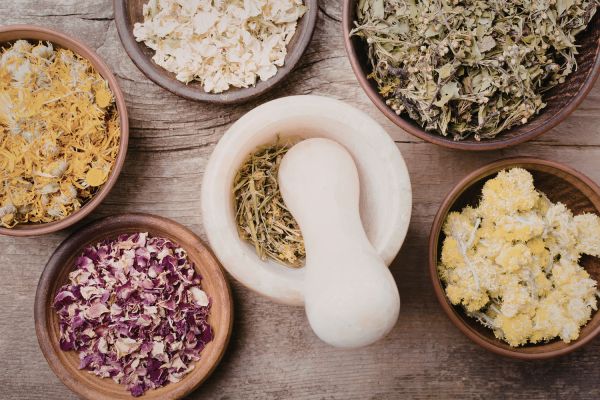
Herbs have been used for generations to support women’s health, and some may offer gentle assistance for endometriosis symptoms.
Turmeric, for instance, is widely known for its anti-inflammatory properties. Ginger may help reduce pain and support digestion. Certain herbal teas, such as chamomile or peppermint, can provide a calming effect during flare-ups.
There are also herbs traditionally associated with hormonal balance, like chasteberry or evening primrose oil. While some women report benefits, it’s important to approach these with care and, ideally, guidance from a healthcare professional.
Natural doesn’t always mean risk-free, especially when hormones are involved.
The Impact of Stress and Emotional Health
One aspect that’s often overlooked is the connection between stress and physical symptoms. Chronic stress can amplify inflammation and disrupt hormonal rhythms, making symptoms feel more intense.
Gentle practices like meditation, deep breathing, or even quiet walks can help calm the nervous system. Over time, these small rituals may reduce the frequency or severity of flare-ups.
There’s also an emotional side to living with a chronic condition. Feelings of frustration, exhaustion, or isolation are not uncommon. Creating space for emotional care—whether through journaling, therapy, or simply talking to someone—can be just as important as any physical remedy.
Movement That Supports Rather Than Strains
Exercise can be a double-edged sword for those with endometriosis. High-intensity workouts may sometimes worsen pain, especially during certain phases of the cycle.
Instead, gentle movement often works better. Yoga, stretching, and low-impact activities like walking or swimming can improve circulation and reduce stiffness without overwhelming the body.
Yoga, in particular, has been explored for its potential to ease pelvic tension and promote relaxation. Certain poses may help relieve discomfort, though it’s important to listen to the body and avoid anything that feels too intense.
Consistency matters more than intensity when it comes to movement.
Heat Therapy and Physical Comfort
Sometimes the simplest remedies are the most effective. Heat therapy, such as using a heating pad or warm compress, can help relax muscles and reduce pelvic pain.
Warm baths can also offer temporary relief, especially when combined with calming elements like Epsom salts. These moments of comfort may not address the root cause, but they can make a difficult day feel more manageable.
Physical comfort matters. Small changes, like wearing loose clothing during flare-ups, can also make a surprising difference.
Sleep as a Healing Tool
Sleep is often disrupted in those dealing with chronic pain, yet it remains one of the body’s most important healing mechanisms.
Creating a calming nighttime routine can support better rest. This might include limiting screen time, keeping the room cool and dark, and establishing a consistent sleep schedule.
Herbal teas or relaxation techniques before bed may also help signal to the body that it’s time to unwind. Over time, improved sleep can contribute to better pain tolerance and overall well-being.
Exploring Supplements Carefully
Some women explore supplements as part of their endometriosis natural remedies approach. Omega-3 fatty acids, for example, are known for their anti-inflammatory properties. Magnesium may help with muscle relaxation and cramp relief.
Vitamin D has also been studied for its role in immune and hormonal health, though levels should ideally be checked before supplementation.
It’s worth emphasizing that supplements should be approached thoughtfully. More isn’t always better, and interactions with medications are possible. Consulting a healthcare provider ensures that choices are both safe and appropriate.
Listening to Your Body’s Signals
Perhaps the most valuable aspect of natural remedies is the awareness they encourage. Over time, many women begin to notice patterns—certain foods that trigger discomfort, activities that worsen pain, or habits that bring relief.
This kind of body awareness becomes a powerful tool. It shifts the approach from reactive to proactive, allowing for small adjustments that support long-term comfort.
There’s no universal formula for managing endometriosis. What works for one person may not work for another, and that’s okay.
Integrating Natural Remedies with Medical Care
It’s important to remember that endometriosis is a medical condition that often requires professional treatment. Natural remedies are best viewed as complementary, not alternative.
Working alongside a healthcare provider allows for a more balanced approach. Medications, hormonal therapies, or surgical options may address the underlying condition, while natural methods support overall health and symptom management.
This combination often provides the most sustainable path forward.
A Gentle, Ongoing Journey
Exploring endometriosis natural remedies is less about finding a perfect solution and more about building a supportive lifestyle. It’s a process of trial, patience, and gradual improvement.
Some days will feel easier than others. Progress may come slowly, almost quietly. But over time, these small shifts—better nutrition, reduced stress, gentle movement—can create a noticeable difference in how the body feels.
Conclusion
Endometriosis natural remedies offer a way to reconnect with the body and support it through thoughtful, everyday choices. While they may not replace medical treatment, they can complement it in meaningful ways, helping to reduce discomfort and improve quality of life.
At its core, managing endometriosis is about balance—between rest and activity, structure and flexibility, science and intuition. By listening closely to your body and making space for gentle care, it becomes possible to navigate this condition with greater ease, resilience, and understanding.