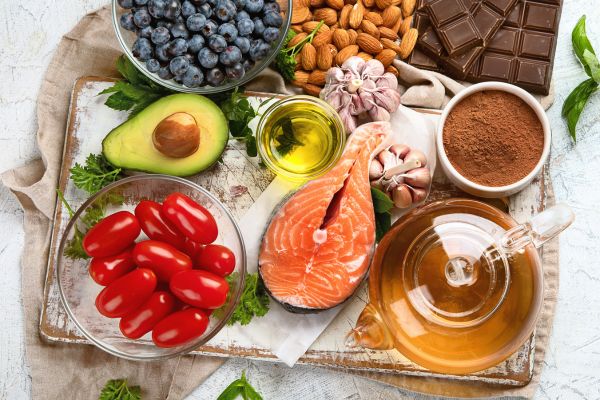
Understanding the Idea Behind an Anti-Inflammatory Diet
An anti-inflammatory diet is less about following a strict food plan and more about eating in a way that supports the body’s natural balance. The phrase sounds a little clinical at first, almost like something designed for a medical textbook, but in everyday life it is surprisingly practical. It is about choosing foods that may help calm long-term, low-grade inflammation while limiting the foods that tend to make the body feel sluggish, heavy, or irritated.
Inflammation itself is not always bad. In fact, the body needs it. When you cut your finger, catch a cold, or recover from an injury, inflammation is part of the healing response. The problem begins when inflammation lingers quietly in the background. It may not feel dramatic at first, but over time, this kind of chronic inflammation is often linked with poor diet, stress, lack of sleep, inactivity, and other lifestyle patterns.
This is where food becomes important. An anti-inflammatory diet does not promise overnight transformation. It simply gives the body more of what it can use well: fiber, healthy fats, antioxidants, vitamins, minerals, and steady energy.
What an Anti-Inflammatory Diet Really Means
The anti-inflammatory diet is built around whole, nutrient-rich foods. It is not one single diet with fixed rules, but it often looks similar to traditional eating patterns found in places where meals are centered on vegetables, fruits, legumes, whole grains, olive oil, herbs, and fish.
At its heart, this way of eating encourages food that is close to its natural form. Fresh produce, colorful vegetables, berries, beans, lentils, nuts, seeds, whole grains, and healthy proteins all have a place on the plate. These foods bring compounds that help the body manage oxidative stress, support gut health, and keep blood sugar more stable.
Just as important, the diet gently reduces foods that may encourage inflammation when eaten too often. This includes heavily processed snacks, sugary drinks, refined flour products, deep-fried foods, processed meats, and meals built mostly around added sugar or unhealthy fats.
The goal is not to label food as perfectly good or completely bad. Real life is more flexible than that. The bigger question is what your regular pattern looks like most of the time.
Why Color Matters on the Plate
One of the easiest ways to understand anti-inflammatory eating is to look at color. A plate filled with natural color usually means a wider range of nutrients. Deep green spinach, bright orange carrots, red tomatoes, purple cabbage, blueberries, and yellow peppers all bring something different to the body.
These colorful plant foods contain antioxidants, which help protect cells from damage caused by everyday stress inside the body. That stress can come from pollution, poor sleep, smoking, processed food, or even normal body processes. Antioxidants do not make the body invincible, but they do support its natural defense system.
This is why a simple salad, vegetable soup, fruit bowl, or stir-fried vegetable dish can be more powerful than it looks. It is not just “light food.” It is food with purpose.
The Role of Healthy Fats
Fat used to have a bad reputation, but not all fat behaves the same way in the body. An anti-inflammatory diet often includes healthy fats because they help with fullness, hormone function, brain health, and the absorption of certain vitamins.
Olive oil is one of the most familiar examples. It works beautifully in salads, cooked vegetables, marinades, and simple home meals. Nuts and seeds are also useful, especially walnuts, almonds, chia seeds, flaxseeds, and pumpkin seeds. Avocado, where available, is another gentle source of healthy fat.
Fatty fish such as salmon, sardines, trout, and mackerel are often included because they contain omega-3 fatty acids. These fats are widely associated with supporting a healthier inflammatory response. For people who do not eat fish, plant-based options like flaxseeds, chia seeds, and walnuts can still be helpful, though the body uses them differently.
The point is not to add large amounts of fat to every meal. It is to choose better sources more often.
Fiber as a Quiet Foundation
Fiber does not always get the attention it deserves. It is not trendy in the same way as protein powders or superfoods, but it is one of the most important parts of an anti-inflammatory diet. Fiber supports digestion, helps feed beneficial gut bacteria, and plays a role in keeping blood sugar steady after meals.
Beans, lentils, oats, whole grains, fruits, vegetables, nuts, and seeds are all fiber-rich choices. These foods tend to make meals more satisfying too. A bowl of lentils with vegetables, for example, often keeps hunger away longer than a plate of refined bread or sugary snacks.
Gut health is closely connected with overall well-being, and fiber is one of the simplest ways to support it. You do not need anything fancy. Even adding beans to soup, oats to breakfast, or fruit as an afternoon snack can help shift the daily diet in a better direction.
Foods That Fit Naturally Into This Way of Eating
An anti-inflammatory diet can include many familiar foods. Vegetables are central, especially leafy greens, broccoli, cauliflower, tomatoes, carrots, peppers, onions, and garlic. Fruits such as berries, oranges, apples, cherries, and pomegranates can add natural sweetness along with valuable nutrients.
Whole grains like oats, brown rice, whole wheat, barley, and quinoa provide steady energy. Legumes, including lentils, chickpeas, black beans, and kidney beans, offer both protein and fiber. Nuts and seeds can be sprinkled over breakfast, added to salads, or eaten in small portions as snacks.
For protein, the diet may include fish, eggs, yogurt, poultry, tofu, legumes, and other minimally processed options. Herbs and spices also matter. Turmeric, ginger, cinnamon, garlic, and black pepper do more than add flavor. They bring natural plant compounds that support a more nourishing meal pattern.
A meal does not have to be complicated to fit. Lentil curry with salad, grilled fish with vegetables, oats with fruit, chickpea soup, or yogurt with nuts and berries can all be part of the same approach.
Foods to Limit Without Becoming Fearful
Some foods are worth limiting because they tend to push the diet away from balance when they become daily habits. Sugary drinks, packaged cakes, refined white bread, processed meats, fried snacks, and fast food meals are common examples. These foods are often low in fiber and nutrients while being high in added sugar, refined starch, salt, or unhealthy fats.
That does not mean a single dessert or occasional fried meal ruins everything. Food guilt is not useful. What matters is frequency. If processed foods make up most of the diet, the body may miss out on the nutrients it needs to function well. If they appear occasionally within an otherwise balanced routine, they are less concerning.
A healthy diet should have room for ordinary life. Celebrations, cravings, family meals, and convenience all exist. The goal is to return to nourishing choices more often than not.
Making the Diet Practical at Home
The most sustainable anti-inflammatory diet is the one you can actually live with. Start by improving meals you already eat. Add vegetables to rice dishes. Use yogurt with fruit instead of a sugary dessert. Choose whole-grain bread more often. Add lentils or beans to soups and curries. Keep nuts or fruit available for snacks.
Cooking at home helps because you can control the ingredients. You do not need restaurant-style recipes. A few reliable meals are enough. Soup, eggs with vegetables, lentils, baked potatoes, grilled chicken, simple salads, and whole-grain bowls can carry a week more easily than people think.
Planning also helps. When healthy ingredients are already in the kitchen, better choices feel less like discipline and more like convenience. Wash fruit. Chop vegetables. Cook extra lentils. Keep plain yogurt ready. Small preparation makes a big difference.
Listening to the Body
Food affects people differently. Some feel better with more grains, while others prefer more vegetables and protein. Some tolerate dairy well, while others do not. An anti-inflammatory diet should leave space for personal experience.
Pay attention to energy, digestion, sleep, hunger, and mood. These signs often tell you more than a strict food chart. If a certain meal leaves you satisfied and steady, it may be worth repeating. If another makes you feel tired or uncomfortable, adjust it.
This is not about becoming obsessed with every bite. It is about building a calmer relationship with food and noticing what helps your body feel supported.
Conclusion
An anti-inflammatory diet is not a short-term cleanse or a rigid set of rules. It is a thoughtful way of eating that focuses on whole foods, natural color, healthy fats, fiber, and balanced meals. It encourages more vegetables, fruits, legumes, whole grains, nuts, seeds, herbs, and nourishing proteins while reducing the foods that can crowd out real nutrition.
The beauty of this approach is that it does not require perfection. It works through small, repeated choices. A better breakfast, an extra serving of vegetables, a home-cooked meal, a handful of nuts instead of a sugary snack—these simple habits begin to shape the bigger picture.
In the end, eating this way is not just about avoiding inflammation. It is about giving the body steady care, one ordinary meal at a time.