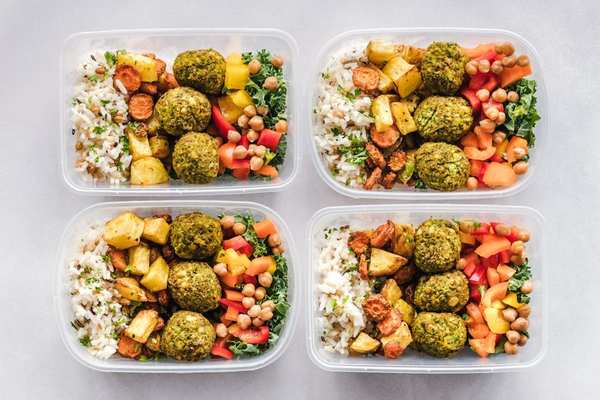
Meal prep can sound like colour-coded boxes and an entire Sunday in the kitchen. In reality, it is simply the habit of planning and preparing some food before you are hungry and short of time. For anyone exploring meal prep for beginners UK routines, the best approach is not to prepare every meal for seven days. It is to remove a few predictable decisions from a busy week.
A useful starter system might mean cooking two evening meals in larger quantities and preparing a couple of lunches. That can reduce last-minute takeaways, wasted ingredients and weekday stress.
What meal prep actually means
Meal prep can involve cooking complete meals in advance, preparing ingredients for later, portioning leftovers or batch cooking a base for several dishes. There is no requirement to eat the same lunch all week.
You might roast vegetables, cook lentils or chicken and prepare a grain, then combine those elements differently over two or three days. Another person may prefer complete prep ahead meals such as chilli, curry, soup or pasta sauce. The right method is the one you will realistically repeat.
Start with the meals that cause problems
Notice where your week usually goes off track. Perhaps weekday lunches are expensive, breakfast is rushed, or dinner becomes difficult on late-working nights. Choose one or two pressure points instead of trying to prepare everything.
A beginner plan could cover three lunches and two dinners. This keeps the first session manageable and leaves room for social plans, changing appetites and leftovers. Meal prep should create flexibility, not make you feel trapped by food you no longer want.
Build a simple weekly plan
Check what you already have
Look through the fridge, freezer and cupboards before choosing meals. A half-used bag of spinach, a tin of chickpeas or frozen vegetables can become the starting point. This reduces waste and prevents duplicate purchases.
Choose overlapping ingredients
Select meals that share a few components without tasting identical. Roast peppers can go into a grain bowl, omelette or pasta sauce. Cooked chicken might be served with potatoes one evening and added to a wrap the next day. Overlap makes shopping and preparation faster.
Plan realistic portions
Think about how many meals you genuinely need at home. Include lunches out and other plans. It is better to prepare slightly less and keep a freezer portion available than to fill the fridge with food that must be eaten quickly.
Use a practical formula for balanced meals
Healthy meal prep does not require complicated nutrition calculations. The NHS Eatwell Guide recommends aiming for balance across a day or week rather than expecting every meal to be perfect. As a practical starting point, include vegetables or fruit, a starchy carbohydrate and a protein food, with dairy or an alternative where it suits the meal.
That could be brown rice, mixed vegetables and salmon; a jacket potato with beans and salad; or wholewheat pasta with a vegetable-rich sauce and lean mince. Beans, lentils and chickpeas are useful low-cost options that add protein and fibre. Frozen and tinned vegetables are also convenient when fresh produce may spoil before you use it.
Choose useful meal prep containers
You do not need an expensive matching set. Meal prep containers should close securely, suit the fridge or freezer and, when needed, be safe for microwave use. Check the manufacturer’s instructions rather than assuming every plastic box can be heated.
Use a mix of single-portion boxes and small tubs for sauces. Clear containers show what needs eating, while labels with the dish name and date keep the freezer organised.
Make batch cooking manageable
Efficient batch cooking involves a few actions happening together. While a tray cooks in the oven, you can simmer a sauce, wash salad ingredients or portion snacks. Start with familiar dishes so you are not learning several recipes while organising the week.
Meals with sauces often freeze and reheat well, including dhal, chilli, soups, stews and many curries. You can also batch-cook components instead of complete meals. A tomato sauce, cooked pulses or marinated protein gives you a head start without deciding how every portion will be served.
Aim for a session you can repeat. Sixty focused minutes that leaves the kitchen tidy is more valuable than an exhausting afternoon that makes you avoid meal prep next week.
Store and reheat food safely
Food safety is central to meal prep. The UK Food Standards Agency advises cooling cooked leftovers and putting them in the fridge within two hours. Eat refrigerated leftovers within 48 hours or freeze them if you will not use them in that time. Follow use-by dates and do not rely on smell or appearance to judge food past a use-by date.
When reheating, heat food until it is steaming hot throughout and only reheat it once. Stir microwave meals so there are no cold pockets. Cooked rice needs extra care: cool it as quickly as possible, ideally within one hour, refrigerate it, use it within 24 hours and reheat it only once until steaming hot.
Freeze portions as soon as you know they will not be eaten in time. For allergies, medical dietary needs or people at higher risk from foodborne illness, follow specific professional advice.
A simple first-week routine
Choose two main dishes with overlapping ingredients and write a short shopping list. Cook one dish for the fridge and one that can be divided between the fridge and freezer. Prepare two easy extras, such as chopped vegetables, overnight oats or boiled eggs.
Leave one or two meals unplanned for leftovers, a spontaneous dinner or a quick cupboard meal. At the end of the week, note what worked. Perhaps a lunch became soggy, you prepared too much rice or a freezer portion rescued a busy evening. Use those observations to improve the next plan.
Frequently asked questions
How many days should a beginner meal prep for?
Start with two or three days. This helps you learn which dishes store well. For longer planning, freeze suitable portions rather than keeping a full week of cooked food in the fridge.
Is meal prep cheaper than cooking every day?
It can be. Planning around food you already own, using overlapping ingredients and freezing extra portions can reduce waste and takeaway spending.
Do I need special containers?
No. Secure, food-safe containers in useful sizes are enough. Check whether they are suitable for freezing and microwave heating, and replace damaged or badly warped boxes.
Can meal prep support healthy eating?
It can make balanced choices more convenient because food is ready before hunger and time pressure take over. Preparation alone does not make a meal healthy, so include variety and aim for balance across the day or week.
Make the system small enough to repeat
The best meal prep for beginners UK approach is deliberately modest. Prepare the meals that solve a real problem, use ingredients in more than one way and freeze food you will not eat safely within a couple of days. Once that routine feels easy, add another breakfast, lunch or batch-cooked base.
Consistency matters more than an impressive row of containers. A small amount of planning that saves time every week is a successful meal prep system.