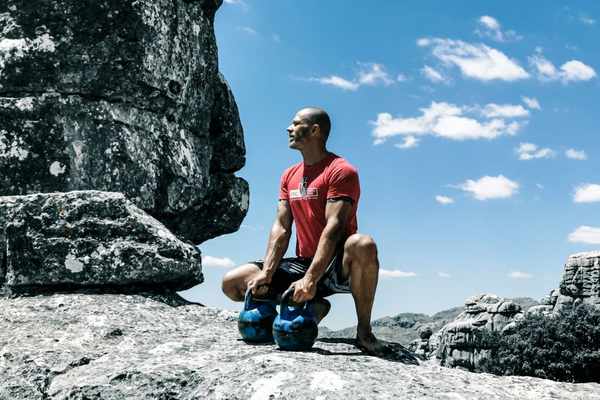
A kettlebell looks simple: a rounded weight with a handle. Yet the weight hanging below your grip makes familiar movements feel different. The best kettlebell workout for beginners is not a frantic circuit of swings and snatches. It is a controlled session that teaches you to lift, squat, pull and carry without rushing your technique.
You need one manageable kettlebell, a clear patch of floor and permission to start light. Your goal is to finish thinking, “I could do that again,” rather than feeling completely exhausted.
Set Up Before You Pick Up the Weight
Choose a kettlebell you can lift smoothly and hold securely without shrugging your shoulders or straining your wrists. There is no universal beginner weight: strength, training history and the exercise all matter. A weight suited to deadlifts may be too heavy for presses.
Use a non-slip floor, supportive footwear and enough room to move safely. Keep children, pets and breakable objects away. If an injury, balance problem or medical condition affects your ability to exercise, seek individualized guidance before starting.
Practice the Hip Hinge First
Stand with feet about hip-width apart, knees slightly bent. Push your hips backward as if closing a drawer with your backside while keeping your spine comfortably neutral. Stand tall by extending your hips. Unlike a squat, the hinge emphasizes sending your hips backward rather than bending deeply at the knees.
Try five slow repetitions without a weight. This pattern prepares you for several beginner kettlebell exercises and, eventually, dynamic swings.
Five Beginner Kettlebell Exercises to Learn
Kettlebell Deadlift
Place the bell between your feet. Hinge, bend your knees enough to reach the handle and grip it with both hands. Brace your midsection, stand with the bell close to your body, then lower it slowly. Avoid rounding your back to reach down; elevate the bell securely if mobility makes the floor too low.
Think about pushing the floor away instead of yanking the handle upward. The deadlift teaches you how to pick up and put down the weight safely.
Goblet Squat
Hold the kettlebell close to your chest with both hands around the handle. Bend at your hips and knees, lowering as far as you can with your heels grounded and torso controlled. Stand without bouncing. A chair behind you can provide a useful depth target.
The front-held weight changes your balance, so move slowly. For extra technique practice, revisit our bodyweight squat form guide.
Supported Single-Arm Row
Rest one hand on a stable bench or sturdy surface and take a balanced stance. With the bell in your free hand, draw your elbow toward your hip, then lower slowly. Avoid twisting your torso. Repeat on the other side.
Rows add upper-back work to a full body kettlebell workout. If you must jerk the bell to lift it, use less resistance.
Suitcase Carry
Hold the bell at one side, stand tall and walk slowly while keeping your shoulders level. Change hands and repeat. Avoid leaning away from the weight, and set it down before your grip slips.
This simple move trains grip and trunk stability. It also reveals whether you can control a kettlebell while moving.
Two-Handed Floor Press
Lie on your back with knees bent and feet planted. Hold the kettlebell securely with both hands, wrists aligned. From a controlled position above your chest, bend your elbows to lower it and press back up. Ask a qualified trainer to demonstrate safe setup if getting the bell into position feels uncertain.
Skip this exercise if you cannot handle the weight confidently. Wall push-ups are a sensible unloaded alternative.
A Simple First Full-Body Session
Warm up for three to five minutes with easy walking, shoulder circles, unloaded squats and hip hinges. Then complete one round of the following exercises, allowing around 45 to 90 seconds of rest between sets or longer when needed.
Do eight deadlifts, six goblet squats, six rows on each side, a 20-second suitcase carry on each side and six controlled floor presses. These are suggestions, not targets you must force. Reduce repetitions or omit any movement that causes pain or cannot be performed with control.
For example, in a small apartment, walk five careful steps across the room and back for each suitcase carry. There is no need for speed. If every movement stays steady, try a second round; otherwise, one round is enough for the first day.
Begin with two nonconsecutive sessions per week so your muscles have recovery time. Our strength training for beginners guide can help you combine this routine with other exercise.
Progress Without Rushing
Progress is not limited to lifting a heavier bell. First, make your repetitions consistent. Then add one or two repetitions, another round or a little distance to your carries. Change one variable at a time, and finish sets before technique breaks down.
Keep a short record of the weight, repetitions and anything that felt unstable. After a few sessions, those notes reveal more than guessing. Our workout recovery basics guide explains why rest supports productive strength work.
Stop when you notice sharp pain, dizziness, loss of grip or poor control. Ordinary muscular effort differs from joint pain. An increasingly sloppy set is a reason to rest, not push harder.
When Should You Try Kettlebell Swings?
Not immediately. Swings use a fast, momentum-driven hip hinge, not an arm raise or repeated squat. Master unloaded hinges and controlled deadlifts first. When those feel consistent, learning the two-handed swing with a qualified instructor can help you develop safe timing and positioning.
This patient approach to kettlebell basics is part of training, not a delay. Good movement patterns transfer to many other exercises.
Frequently Asked Questions
How long should a beginner kettlebell workout take?
Roughly 15 to 25 minutes, including warm-up time, can be enough. Consistent technique matters more than the clock.
Can one kettlebell provide a full-body workout?
Yes. One manageable bell supports deadlifts, squats, rows and carries. Different weights may eventually suit different movements, but a complete collection is unnecessary at the start.
Should beginners train with kettlebells every day?
Daily strength sessions are not necessary. Start with two nonconsecutive days each week and adjust based on recovery and other activities.
What if my back hurts during deadlifts?
Stop the exercise. Reduce the load, reassess your hinge and consider help from a qualified coach. Persistent or sharp pain deserves assessment by a healthcare professional.
Build Skill Before Intensity
Your early wins should be quiet ones: a steady squat, a row without twisting and a deadlift that feels natural. A beginner kettlebell workout built around these skills lays the foundation for stronger sessions. Keep practicing the kettlebell basics, allow time to recover and increase the challenge only when control follows you through every repetition.