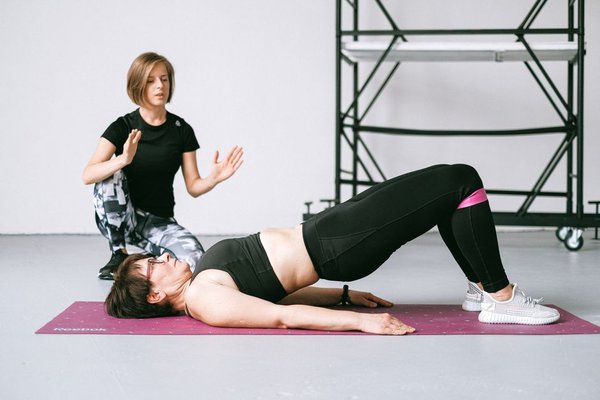
A few drops of urine after leaving the bathroom may seem minor, until they start affecting what you wear or where you go. Other men notice leakage when coughing, lifting groceries, or standing up. Pelvic floor exercises for men can improve control in some situations, including recovery from certain prostate treatments. The movements require no equipment, but correct technique matters more than squeezing as hard as possible.
What the male pelvic floor does
The pelvic floor is a group of muscles beneath the bladder and bowel. It supports these organs and helps control urination and bowel movements. The muscles also contribute to sexual function. A correct contraction lifts inward rather than pushes downward.
Surgery, ageing, persistent coughing, and straining with constipation can affect these muscles. However, not every urinary symptom means weakness. An enlarged prostate, infection, or difficulty emptying the bladder may require different treatment.
How to find the right muscles
Sit with your feet on the floor or lie on your back with your knees bent. Imagine preventing yourself from passing wind while also stopping urine flow. You should feel a gentle tightening and lifting around the anus and base of the penis. The scrotum may lift slightly.
Keep your buttocks, thighs, and abdomen relaxed. Breathe normally. You can briefly recognise which muscles interrupt urine flow to identify them, but do not regularly practise while urinating: stopping the stream repeatedly may interfere with bladder emptying.
How to do Kegel exercises correctly
Practise slow contractions
Gently lift and tighten your pelvic floor. Hold for about three seconds if comfortable, then fully release for at least three seconds. Repeat five to ten times, stopping before the movement becomes strained. As control improves, build towards holds of up to ten seconds with an equally long rest. A short, accurate hold is better than squeezing with your whole abdomen.
Add quick contractions
Tighten the same muscles quickly for roughly one second, then let go completely. Try five to ten repetitions. These quicker responses may help during a sudden cough or when standing from a chair.
Remember to relax
Each lift needs a full release. Avoid pushing down, holding your breath, or squeezing your buttocks. If you cannot identify a distinct lift and relaxation phase, a pelvic health physiotherapist can assess your technique.
A routine that fits everyday life
Many plans suggest a combination of slow and quick contractions about three times daily, though your clinician may recommend something different. Start with fewer repetitions if your muscles tire. Try one set after breakfast, another during an afternoon break, and a final set before bed.
Initially, practise sitting or lying down. Progress to standing when the movement feels reliable. Track completed sets and leakage episodes on your phone; trends are easier to spot than day-to-day changes.
Here is a useful example: if urine leaks when you rise from your desk, gently tighten the pelvic floor just before standing, hold during the movement, then relax afterwards. This anticipatory squeeze, sometimes called “the knack,” supplements regular training.
Which urinary problems can improve?
Pelvic floor training is especially relevant to stress incontinence: leakage with coughing, sneezing, bending, or lifting. It may reduce dribbling after urination. Quick contractions can sometimes help control a sudden urge long enough to reach the bathroom, although bladder training or other treatment may be necessary.
Men searching for bladder control exercises should distinguish leakage from obstruction. Weak urine flow, difficulty starting, and incomplete emptying may signal a prostate or bladder problem that Kegels alone cannot correct. Learning about bladder training techniques may help men whose main symptom is urgency.
Using pelvic floor exercises after prostate treatment
Temporary urine leakage is common after surgery to remove the prostate because the normal control mechanisms are affected. Pelvic floor muscle training can support recovery, but results vary. It does not guarantee immediate continence or resolve every cause of leakage.
Before planned prostate surgery, clinicians may recommend learning the exercises several weeks in advance. After surgery, do not practise while a urinary catheter is in place. Exercises can generally restart after catheter removal, following the surgical team’s guidance. They may also be appropriate during and after radiotherapy, depending on your care plan.
These prostate recovery exercises complement, rather than replace, follow-up care. If leakage remains troublesome, ask about specialist physiotherapy and other treatments. Information on urinary changes after prostate surgery can also help you prepare for recovery.
Common mistakes to avoid
More force is not necessarily better. Excessive repetitions and repeated maximal squeezing can tire the muscles. Holding your breath or tensing your stomach and thighs directs effort away from the pelvic floor. Skipping rest is another mistake: coordination depends on being able to relax fully.
Not everyone needs more tightening. Pelvic pain, painful ejaculation, worsening urgency, or difficulty relaxing the muscles may indicate an overly tense pelvic floor. Strengthening without assessment could aggravate these symptoms. Ask a clinician experienced in men’s pelvic health for advice.
When will you notice results?
Some men notice improvement after several weeks; more substantial changes can take months of consistent practice. Recovery following prostate surgery varies with the procedure and the individual. Measure useful outcomes: fewer damp pads, less after-dribble, or less leakage during a familiar activity.
If progress stalls, a professional can check technique and investigate other causes. Seek prompt medical care if you cannot pass urine, develop fever with urinary symptoms, or notice visible blood in urine. Persistent pain and new urinary difficulties also need assessment. Preparing questions for a urology appointment may make that conversation easier.
Frequently asked questions
Can men do pelvic floor exercises every day?
Yes. A manageable daily routine is common, but follow your personalised treatment plan. Reduce repetitions and seek advice if you develop fatigue, pain, or worsening symptoms. Quality matters more than quantity.
Should I squeeze my pelvic floor while urinating?
No. Briefly recognising the muscles that stop the stream may help you locate them, but routine exercise during urination can disrupt normal emptying. Practise at other times instead.
Do Kegels help after prostate surgery?
They may support continence recovery after certain prostate operations. Do not perform them while a catheter is in place, and follow the surgical team’s advice about restarting.
Can pelvic floor exercises improve erections?
These muscles contribute to erectile function, and some men may notice benefits. Results vary, especially after prostate treatment. Persistent difficulties merit a separate discussion with a healthcare professional.
A sustainable approach to better control
Effective pelvic floor training is about a precise lift, full relaxation, and using that control during everyday movements. Begin gently, stay consistent, and seek an assessment when symptoms persist or change. The right routine can become one useful part of better bladder health.