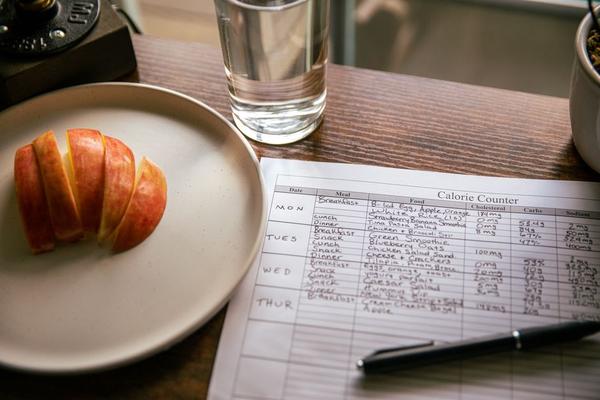
A calorie deficit is the basic energy gap behind weight loss: over time, you take in less energy from food and drink than your body uses. The idea is simple, but applying it well is not about eating as little as possible. A useful calorie deficit for weight loss in the UK should support gradual progress while still leaving room for balanced meals, normal social life, and enough energy for work, exercise and recovery.
The NHS uses calorie reduction as one practical approach to weight management, while NICE recommends that dietary strategies for adults create an energy deficit without losing sight of nutritional balance and individual circumstances. That makes sustainability the real goal: a plan you can follow consistently is more useful than an aggressive target.
Start by estimating your daily calorie needs
Your daily calorie needs are the amount of energy your body uses across basic functions, movement, digestion and exercise. NHS guidance gives average maintenance figures of about 2,000 kcal a day for women and 2,500 kcal for men, but these are population-level guides rather than personal targets. Your actual needs can differ because of age, body size, sex, activity level and other factors.
A calorie deficit calculator can give you a starting estimate using details such as height, weight, age and activity. Treat the result as an estimate, not a precise measurement. Fitness trackers and online calculators can be wrong by a meaningful margin, so your weight trend over several weeks is often more useful than a single calculated number.
Choose a moderate deficit rather than the lowest possible intake
The NHS commonly suggests reducing intake by around 600 kcal a day for adults who need to lose weight. Its general examples are about 1,400 kcal a day for women and 1,900 kcal for men, based on the average maintenance figures above. These figures are not suitable for everybody, so it is better to think in terms of a sustainable calorie deficit than to assume one fixed target applies to every person.
NHS guidance also advises aiming for steady weight loss of roughly 0.5 to 1 kg per week. Real-world progress is rarely linear, however. Water retention, salt intake and menstrual cycles can move the scale temporarily even when body fat is decreasing.
Very low intakes are not a shortcut. NICE says low-energy diets of 800 to 1,200 kcal per day should only be considered within a supported weight-management service for specific people, while diets below 800 kcal require specialist supervision and a clinical reason. For most people trying to lose weight independently, pushing calories extremely low can make hunger, fatigue and nutritional gaps harder to manage.
Build the deficit from everyday choices
You do not need to remove entire food groups to reduce calories for weight loss. It is often easier to find several small changes that add up across the day. Portions, cooking fats, drinks, sauces and snacks can make a bigger difference than people expect.
A practical UK example
Imagine your usual weekday includes a large milky coffee on the way to work, a supermarket meal deal at lunch, a biscuit with tea, and generous oil when cooking dinner. Instead of skipping breakfast or cutting out carbohydrates, you might switch to a smaller coffee, choose a lighter lunch with fruit, keep the biscuit but skip a second snack, and measure cooking oil rather than pouring freely. Those changes can reduce intake substantially without making the day feel like a crash diet.
Useful related topics to explore alongside this approach include healthy eating for weight loss, portion control tips, and high-protein meal ideas. The best changes are the ones that reduce energy intake while keeping meals enjoyable and filling.
Make meals more filling for the calories you eat
A calorie target is easier to follow when food volume and meal quality are considered too. Build meals around vegetables or salad, include a source of protein, choose sensible portions of starchy carbohydrates, and favour higher-fibre foods where practical. Fruit, vegetables, beans, lentils, wholegrains, potatoes, yoghurt, eggs, fish and lean meats can all fit depending on your preferences.
Pay particular attention to higher-calorie extras such as cheese, dressings, cooking oils and drinks. Alcohol, sugary drinks, juices and speciality coffees can add calories quickly without providing the same fullness as a meal.
Track accurately enough to learn, not obsess
If you decide to count calories, spend a short period learning what your usual portions actually contain. Check food labels, notice whether the stated portion matches what you serve, and remember cooking oil, spreads, sauces and drinks. Weighing some foods at the beginning can improve your estimates, but it does not have to become a permanent rule.
Use weekly averages rather than judging success from one weigh-in. If your average weight is not changing after several consistent weeks, your true deficit may be smaller than expected. A modest adjustment to portions or activity is usually more sensible than making a drastic cut.
Include activity, but do not rely on exercise calories
Physical activity supports health and can contribute to energy expenditure, but exercise machines and wearables may overestimate calories burned. Avoid automatically eating back every calorie shown on a device. Walking, cycling, swimming and resistance training can all help while supporting fitness, strength and mood.
When to get professional advice
Speak to a GP or another appropriate healthcare professional before making significant dietary changes if you have a medical condition, special dietary requirements, take medicines that may affect weight or appetite, are pregnant, or have a current or previous eating disorder. Personalised support is also sensible if you are unsure whether weight loss is appropriate for you.
Frequently asked questions
How big should my calorie deficit be?
There is no single number that suits everyone. NHS guidance commonly uses a reduction of around 600 kcal a day as a general approach, but your suitable intake depends on your individual energy needs and circumstances.
Can I lose weight without counting calories?
Yes. A calorie deficit still needs to occur, but you can create it through smaller portions, lower-calorie swaps, fewer high-calorie drinks, more vegetables and structured meals without tracking every number.
Why am I not losing weight even though a calculator says I am in a deficit?
Calculators estimate energy needs, and food tracking can be imprecise. Short-term water changes may hide fat loss. Look at several weeks of consistent data before deciding whether your plan needs adjusting.
Is a 1,200-calorie diet safe for everyone?
No. NICE classifies 800 to 1,200 kcal per day as a low-energy diet and recommends using such diets only in specific supported weight-management settings. A suitable intake should be personalised rather than chosen simply because it is a low number.
Keep the deficit sustainable
A calorie deficit works best when it feels like a controlled adjustment rather than a punishment. Estimate your needs, make a moderate reduction, build filling meals, track long enough to understand your habits, and adjust based on your trend. That approach may look less dramatic than crash dieting, but it is far more compatible with the everyday routines that make weight loss maintainable.