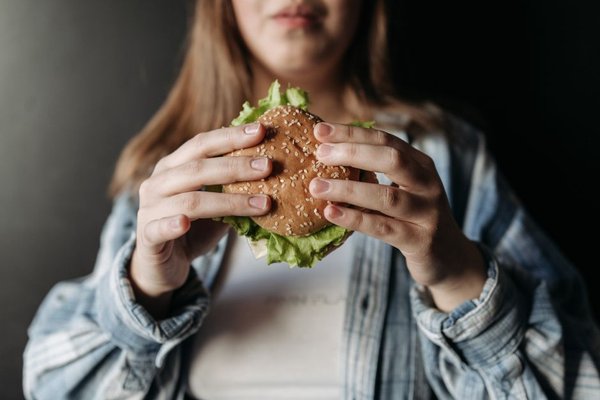
Trying to gain weight can feel surprisingly difficult when your appetite disappears after a few bites. Large plates, oversized portions and the usual advice to “just eat more” can make the problem worse by turning every meal into a chore. A better approach is to increase energy intake without dramatically increasing food volume. That means eating more often, choosing foods that pack more calories and nutrients into each bite, and using drinks strategically when solid food feels like too much.
A small appetite can be temporary, but persistent appetite loss or unexplained weight loss deserves medical attention. Illness, digestive problems, medications and stress can affect hunger. If you are losing weight without trying, regularly feel full after very small amounts, or have ongoing symptoms such as nausea or weakness, speak with a healthcare professional.
Build Your Day Around Smaller Eating Opportunities
For small appetite weight gain, three large meals are often less practical than several smaller eating opportunities. Instead of waiting until you feel very hungry, create a loose schedule. Breakfast, a mid-morning snack, lunch, an afternoon snack, dinner and a small evening snack may feel easier than forcing yourself through three heavy meals.
This is where frequent meals weight gain strategies become useful: the goal is not to make every sitting big, but to create more chances to eat. If you manage only half a sandwich at lunch, you might have yogurt with granola two hours later and toast with nut butter later in the afternoon. Total intake can rise without any single portion feeling overwhelming.
Make Every Bite Work Harder
When appetite is limited, low-calorie foods can fill your stomach before you have eaten enough energy. You do not need to avoid vegetables, fruit or other high-volume foods, but it helps to pair them with more energy-dense ingredients. Calorie dense meals can still be balanced and nutrient-rich.
Add olive oil or pesto to pasta, rice and vegetables. Stir nut or seed butter into oatmeal. Top potatoes, soups or eggs with cheese. Choose full-fat yogurt if it suits your health needs, and add granola, nuts or dried fruit. Avocado, hummus, eggs, oily fish, nuts, seeds and dairy foods can increase calories without requiring enormous portions.
A useful rule is to ask, “What can I add?” rather than automatically making the plate bigger. Adding a spoonful of peanut butter to toast is often easier than eating two extra slices. Mixing milk powder into porridge or a creamy soup can increase protein and energy while barely changing portion size.
Use Nourishing Drinks Between Meals
Nourishing drinks can be especially helpful when chewing a full snack feels unappealing. A smoothie made with milk or a fortified alternative, yogurt, banana, oats and nut butter can provide energy, protein and micronutrients in a relatively compact form. Milk-based drinks, drinkable yogurt or a homemade shake can also work well.
Timing matters. Drinking a large amount of water, tea, coffee or diet soda immediately before eating may leave you too full for food. If that happens to you, sip fluids between meals instead and keep drinks with meals modest. Hydration still matters, so the aim is to move fluids to a better time, not to restrict them.
Choose Foods You Actually Want to Eat
A mathematically perfect meal is not useful if it sits untouched. Appetite is strongly influenced by taste, smell, texture and convenience. Keep a short list of foods that are reliably appealing when hunger is low. These might be scrambled eggs on toast, a warm cheese sandwich, rice with chicken and avocado, yogurt with honey, or crackers with hummus.
Reduce the effort between deciding to eat and taking the first bite. Keep ready-to-eat snacks visible, portion nuts or dried fruit into small containers, freeze smoothie ingredients, and prepare leftovers that reheat quickly. On difficult days, convenience matters.
A Practical Small-Appetite Day
Imagine someone who struggles to finish dinner and usually skips snacks. Instead of doubling dinner, they could start with toast, eggs and fruit at breakfast; add yogurt and granola mid-morning; eat a smaller rice-and-chicken lunch with olive oil or avocado; have a banana-and-peanut-butter smoothie in the afternoon; eat a modest dinner; and finish with a small bowl of cereal and milk. Nothing needs to be huge. The advantage comes from repeated, manageable opportunities.
Keep Protein in the Picture
Weight gain is not only about adding calories. Protein supports muscle maintenance and growth, particularly when combined with resistance exercise. Try to include a protein source in most meals and snacks, such as eggs, dairy, beans, lentils, tofu, fish, poultry, meat, nuts or seeds.
Strength training may also be useful if it is appropriate for you. It can help direct some weight gain toward muscle, and physical activity may improve appetite for some people. Start at a level that matches your fitness and health status rather than trying to compensate for low appetite with exhausting workouts.
Track Patterns, Not Every Bite
You do not necessarily need to count calories to make progress. For one or two weeks, simply note when appetite is best, which foods are easiest to eat, and which meals regularly get missed. You may discover that breakfast is easier than dinner, or that liquid snacks work better in the afternoon. Build your routine around those patterns.
Helpful related topics to explore include healthy weight gain, high-calorie healthy snacks and beginner strength training. These can help you develop a broader plan once your basic eating rhythm is working.
Frequently Asked Questions
How can I gain weight if I get full very quickly?
Use smaller meals and snacks more often, increase the calorie density of foods you already tolerate, and place higher-calorie drinks between meals. If early fullness is persistent or unexplained, speak with a healthcare professional because it can sometimes have an underlying medical cause.
Are smoothies good for gaining weight with a small appetite?
They can be. A smoothie containing milk or a fortified alternative, yogurt, oats, fruit and nut butter can provide substantial energy and nutrients without the volume of a large solid meal. Avoid relying only on sugary drinks that provide calories with little nutritional value.
Should I eat even when I am not hungry?
If your appetite cues are weak, scheduled small meals and snacks can be more reliable than waiting for strong hunger. Keep portions manageable and choose foods you enjoy. A dietitian can help if eating enough remains difficult.
When should low appetite be checked by a doctor?
Seek medical advice if appetite loss persists, you are losing weight unintentionally, you consistently feel full after very small amounts, or you develop symptoms such as weakness, nausea, vomiting or significant digestive changes.
A More Manageable Way to Gain Weight
Gaining weight with a small appetite is usually easier when you stop trying to win the battle with oversized meals. Create more eating opportunities, enrich familiar foods, use nourishing drinks between meals and choose convenient foods you genuinely enjoy. Small additions repeated consistently can make a meaningful difference. If your appetite stays poor or your weight is falling without explanation, make medical assessment part of the plan rather than simply pushing yourself to eat more.