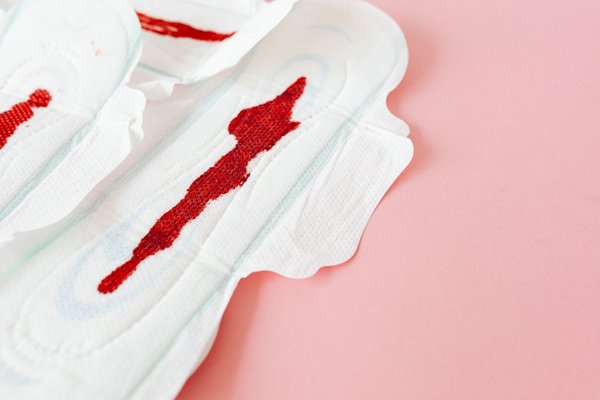
Heavy periods can be disruptive, exhausting and sometimes worrying, especially when bleeding becomes heavier than usual. The medical term is heavy menstrual bleeding, also called menorrhagia. Doctors do not judge it only by an exact volume of blood; they also consider how much the bleeding affects everyday life. If you plan your day around toilets, wake repeatedly at night to change period products or miss work because of bleeding, it is reasonable to ask for help.
What counts as a heavy period?
Period blood loss is difficult to measure accurately at home, so practical signs are often more useful. NHS guidance says heavy periods may involve changing a pad or tampon every one to two hours, emptying a menstrual cup more often than recommended, using two types of period protection together, bleeding for more than seven days, passing large clots, bleeding through clothes or bedding, or avoiding normal activities because of your period.
Heavy period symptoms can also include tiredness, breathlessness, light-headedness or a racing heartbeat because repeated blood loss can contribute to anaemia. A period diary can help. For two or three cycles, record how long bleeding lasts, how often you change products, whether you leak through clothing or bedding, clot size, pain and any bleeding between periods.
Common causes of heavy periods
There is not always a single identifiable cause. Bleeding patterns can also change during adolescence, after pregnancy and as menopause approaches. Persistent or newly heavy bleeding, however, deserves assessment because several treatable conditions can be responsible.
Fibroids and uterine polyps
Fibroids are non-cancerous growths in the womb. Depending on their size and location, they can increase menstrual bleeding and may cause pelvic pressure or pain. Polyps are smaller growths arising from the womb lining and can cause heavy bleeding or bleeding between periods.
Adenomyosis and endometriosis
Adenomyosis happens when tissue similar to the womb lining grows into the muscular wall of the uterus. It is often associated with heavy, painful periods. Endometriosis, where similar tissue grows outside the uterus, is more strongly linked with pelvic pain but can occur alongside heavy menstrual bleeding.
Ovulation and hormone-related changes
If ovulation does not happen regularly, the womb lining can build up and shed unpredictably or heavily. This may happen in the first years after periods begin, during perimenopause or with conditions such as polycystic ovary syndrome. Thyroid problems can also affect periods, although thyroid testing is not routinely needed unless other symptoms suggest a thyroid disorder.
Bleeding disorders, medicines and contraception
Inherited conditions such as von Willebrand disease can cause very heavy periods, especially when heavy bleeding has been present since periods first began and there is a history of easy bruising, nosebleeds or prolonged bleeding. Blood-thinning medicines can increase menstrual bleeding. A copper intrauterine device can also make periods heavier or more painful.
Less common but important causes
Changes in the womb lining, including endometrial hyperplasia or cancer, are much less common causes. They become more important to rule out when bleeding is unusual for you, happens between periods, occurs after sex or develops after menopause. Bleeding during pregnancy is not a menstrual period and should be assessed separately.
When should you speak to a GP?
Book a GP appointment if heavy periods are affecting your daily life, have continued for several cycles, are getting progressively heavier or are accompanied by severe period pain. You should also arrange medical review for bleeding between periods, bleeding after sex, new pelvic pressure, pain during sex, or persistent tiredness and breathlessness.
Seek urgent medical advice if bleeding is extremely heavy and you feel faint, very weak, confused, severely short of breath or unwell, or if heavy bleeding occurs with severe pain or a possible pregnancy. In the UK, NHS 111 can advise on urgent problems that are not immediately life-threatening.
What tests might be needed?
A GP will usually ask about your bleeding pattern, pain, contraception, medicines, pregnancy possibility and how symptoms affect your life. NICE recommends a full blood count for people with heavy menstrual bleeding to check for anaemia. Further investigations depend on your history and examination.
If symptoms suggest fibroids, adenomyosis or another pelvic problem, an ultrasound may be recommended. Persistent bleeding between periods or signs of a problem inside the womb may lead to hysteroscopy, which allows a clinician to look inside the uterine cavity. Testing for a bleeding disorder may be considered when the history points in that direction.
How are heavy periods treated?
Treatment depends on the likely cause, severity, other health conditions, contraception needs and whether you may want a pregnancy in the future. NICE recommends considering these factors rather than treating blood loss in isolation.
Options can include a levonorgestrel-releasing intrauterine system, tranexamic acid, certain anti-inflammatory medicines, combined hormonal contraception or cyclical progestogens. Progestogen-only contraception can also suppress periods for some people. The right option is individual, and medicines are not suitable for everyone.
If fibroids, polyps or another condition is causing the bleeding, treatment may focus on that problem. Specialist options can include removal of certain fibroids or polyps, endometrial ablation, uterine artery embolisation, myomectomy or hysterectomy. These treatments have different implications for fertility, so they need careful discussion with a clinician.
A practical way to prepare for your appointment
Instead of trying to estimate millilitres of blood, bring a simple two-cycle record. For example: “Day 2: changed a super pad every 90 minutes for six hours, passed two clots larger than a 10p coin, leaked through clothes and felt dizzy.” That gives a GP more useful information than simply saying a period felt heavy. Bring a list of medicines and contraception too, and mention any family history of bleeding problems.
Frequently asked questions
Can heavy periods be normal?
Yes. Some people naturally have heavier periods, and bleeding can vary across life stages. However, you do not have to put up with symptoms that interfere with daily activities or contribute to anaemia.
Can stress cause heavy periods?
Stress can affect cycle timing and ovulation, which may alter bleeding patterns, but persistent heavy bleeding should not automatically be blamed on stress. A clinician can help rule out other causes.
Can heavy periods cause iron deficiency?
Repeated heavy blood loss can contribute to iron deficiency and anaemia. Tiredness, breathlessness, dizziness and palpitations can be warning signs, but a blood test is needed to assess anaemia properly.
Will heavy periods always need treatment?
No. Treatment is guided by how much the bleeding affects your life, whether there is an underlying cause and your preferences. If symptoms are mild and tests are reassuring, monitoring may be reasonable; if they are disruptive, several treatment options are available.
What to remember
Heavy periods have many possible causes, from normal variation and hormone-related changes to fibroids, adenomyosis, bleeding disorders and medicines. Rarely, a more serious womb condition is responsible. The key question is not simply how much blood you lose, but whether bleeding is changing your life or health. Track what is happening, seek medical advice when symptoms persist or change, and discuss investigations and treatment options that fit your circumstances.