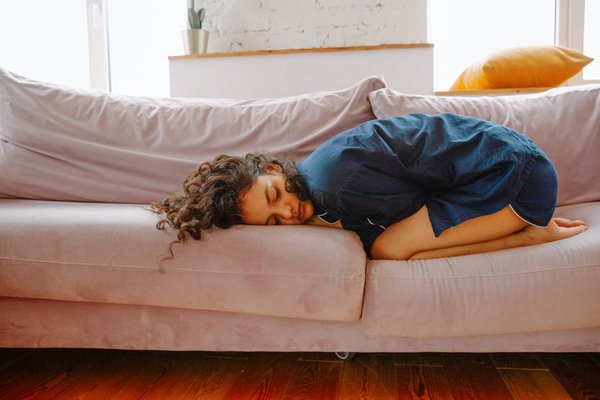
Feeling wiped out around your period can be frustrating, especially when the rest of your symptoms seem manageable. Period fatigue can show up as sleepiness, heavy limbs, poor concentration, or the sense that routine tasks take more effort than usual. For some people it begins in the days before bleeding starts; for others, low energy during a period is most noticeable on the heaviest days.
Hormonal changes can play a part, but they are not the only explanation. Sleep disruption, pain, changes in appetite, stress, and blood loss can all affect how energetic you feel. The useful question is whether this is a predictable, manageable dip in energy or a sign that something deserves a closer look.
Why you may feel tired before or during your period
Hormone shifts can affect energy and sleep
In the second half of the menstrual cycle, levels of oestrogen and progesterone change. Some people are more sensitive to these shifts and experience premenstrual symptoms such as tiredness, mood changes, headaches, bloating, or trouble sleeping. If you are tired during your period after several nights of poorer sleep, the fatigue may feel stronger once bleeding begins.
Premenstrual syndrome can include tiredness and sleep problems, and symptoms often vary from one cycle to another. A simple symptom diary can help you see whether your menstrual fatigue follows a repeatable pattern. Note when tiredness starts, how severe it feels, when bleeding begins, and when your energy returns.
Pain and disturbed sleep can drain your reserves
Cramps, backache, headaches, or needing to change period products during the night can interrupt sleep. Even if you spend enough hours in bed, repeated waking may leave you less refreshed the next day. Pain itself is also tiring, particularly if you are trying to work, study, care for children, or exercise as usual.
Heavy bleeding can contribute to iron deficiency
Heavy periods are a common cause of iron deficiency anaemia. Iron is needed to make healthy red blood cells that carry oxygen around the body. When iron deficiency anaemia develops, symptoms can include tiredness, lack of energy, breathlessness, headaches, palpitations, and paler skin.
This is one reason period exhaustion should not automatically be dismissed as “just hormones.” If your periods are heavy and you feel increasingly fatigued, a GP may recommend a blood test. Taking iron supplements without knowing whether you are deficient is not always appropriate, so it is better to get advice rather than self-treat with high-dose iron.
How to make period fatigue easier to manage
Adjust your schedule around lower-energy days
If your diary shows that day one and day two are consistently your hardest days, move an intense workout or late social plan when possible and protect your sleep the night before. A practical approach is to choose one essential task, one optional task, and one recovery activity for a difficult day. This can work better than pushing through until you are completely depleted.
Eat regularly and include iron-rich foods
Skipping meals can make low energy feel worse. Aim for regular meals containing carbohydrate, protein, healthy fats, fruit or vegetables, and fluids. Iron-rich foods include beans, chickpeas, lentils, fortified cereals, meat, nuts, and some dark green vegetables. If heavy periods are a concern, a guide to heavy periods is a useful internal-link topic to explore alongside fatigue.
Food can support overall nutrition, but it is not a substitute for investigating significant blood loss or possible anaemia. If you have confirmed iron deficiency, your GP can advise on the treatment and follow-up that is appropriate for you.
Use gentle movement rather than all-or-nothing exercise
Regular exercise can help some premenstrual symptoms, but a demanding session is not compulsory when you feel drained. A short walk, light mobility work, or an easier version of your normal workout may be enough to help you feel less sluggish without adding extra stress. If movement worsens dizziness, breathlessness, or weakness, stop and pay attention to those symptoms.
Protect sleep and manage pain early
Keep your usual bedtime as consistent as you can and limit late-night caffeine if it affects your sleep. If cramps repeatedly wake you, managing period pain can indirectly improve daytime energy. A guide to period pain and cramps is another natural internal-link topic for readers who notice that pain and poor sleep arrive together.
When period fatigue deserves a GP check
Occasional tiredness that appears around your period and improves afterwards is common. Book a GP appointment if the fatigue is persistent, worsening, interfering with daily life, or accompanied by very heavy bleeding, breathlessness, palpitations, dizziness, unusual paleness, or headaches.
You should also seek advice if your periods have become noticeably heavier or different from your normal pattern, or if tiredness continues well beyond menstruation. Fatigue can have many causes unrelated to periods, including sleep problems and other medical conditions, so timing alone does not prove that menstruation is responsible.
For heavy bleeding, record how often you change pads, tampons, period pants, or empty a menstrual cup, whether you need two products together, and whether you bleed through clothes or bedding. Bringing this information to a GP can make the discussion more specific. A broader guide to menstrual health symptoms can also help you organise what you have noticed.
Frequently asked questions
Why do I feel so tired on the first day of my period?
The first day may combine several factors: bleeding has started, cramps may disturb sleep or concentration, and premenstrual symptoms may not have fully settled. If the tiredness is severe every cycle or comes with heavy bleeding, dizziness, breathlessness, or palpitations, discuss it with a GP.
Can heavy periods cause fatigue?
Yes. Ongoing heavy menstrual bleeding can contribute to iron deficiency anaemia, which commonly causes tiredness and low energy. A GP can assess your bleeding pattern and arrange a blood test if needed.
Should I take iron for period fatigue?
Not automatically. Iron can help when iron deficiency is present, but fatigue has many possible causes and unnecessary high-dose supplements can cause side effects. If you suspect iron deficiency, especially with heavy periods, ask a GP or pharmacist for advice.
How long should menstrual fatigue last?
There is no single duration that applies to everyone. Some people notice tiredness for a few premenstrual days, others mainly during bleeding. Fatigue that is new, severe, lasts well beyond your period, or makes normal activities difficult is worth discussing with a healthcare professional.
Give your energy pattern the same attention as other period symptoms
Period fatigue can be a genuine part of the menstrual cycle, but it should not become a catch-all explanation for feeling unwell. Track when it happens, support your sleep and meals, reduce unnecessary strain on difficult days, and notice whether heavy bleeding or other symptoms occur alongside it. If your low energy is intense, persistent, or changing, a GP check can help separate a cycle-related dip from problems such as iron deficiency that may need treatment.