Protein has moved far beyond the sports-nutrition aisle. In early 2026, UK grocery data showed sales of protein-based foods rising by 9.6% over 26 weeks, while supermarket searches for high-protein meals and everyday staples also climbed sharply. That explains the growing choice of protein yoghurts, ready meals, breads and snack bars, but the best options are not always the products with the loudest packaging.
A useful high protein foods list should help you build ordinary meals from affordable supermarket ingredients. Chicken, eggs, fish, yoghurt, beans, lentils, tofu and cottage cheese can all make it easier to meet your needs without turning every shop into a hunt for specialist products.
How Much Protein Do You Actually Need?
UK guidance for healthy adults is based on roughly 0.75g of protein per kilogram of body weight each day. That works out at about 45g for a 60kg adult and around 56g for a 75kg adult. Many people already eat enough, although older adults, athletes and people training regularly may have different requirements. Seek personalised advice where health conditions, pregnancy or intensive training are involved.
Rather than chasing one very high-protein dinner, spread protein sources across breakfast, lunch, dinner and snacks. This makes meals more satisfying and creates more opportunities to include fibre, vegetables and healthy fats.
What “High Protein” Means on a UK Label
“High protein” is a regulated claim. A food can use it when at least 20% of its energy comes from protein. Even so, that does not guarantee the whole product is balanced. Check calories, saturated fat, salt, sugar and fibre, especially on bars, desserts and ready meals.
Best High-Protein Foods for Breakfast
Eggs
Two medium eggs provide roughly 12 to 14g of protein and work in omelettes, breakfast wraps or boiled-egg snack boxes. Add mushrooms, spinach or tomatoes rather than relying on bacon or sausages.
Greek Yoghurt and Skyr
Plain Greek-style yoghurt and skyr are convenient protein rich foods. A 200g serving commonly supplies around 18 to 22g, although brands vary. Add oats, berries and seeds for fibre, and compare labels because flavoured versions can contain more sugar.
Cottage Cheese
A 200g portion of cottage cheese can provide about 20 to 25g of protein. Spoon it onto wholemeal toast, mix it with cucumber and herbs, or serve it with fruit.
Milk and Fortified Soya Drinks
Dairy milk contributes protein to porridge, cereal and smoothies. Unsweetened fortified soya drink is usually the closest plant-based alternative for protein, while oat, almond and coconut drinks often contain less. Check protein per 100ml plus added calcium and vitamin D.
High-Protein Lunch Foods
Chicken and Turkey
Cooked skinless chicken or turkey breast typically provides around 30g of protein per 100g. Batch-cook portions for salads, wholemeal wraps and grain bowls. Frozen packs can offer better value and reduce waste.
Tinned Tuna, Salmon and Mackerel
A standard drained tin of tuna may provide around 25 to 30g of protein. Salmon and mackerel add omega-3 fats, although canned and smoked fish can be salty. The NHS recommends at least two portions of fish a week, including one oily portion.
Lentils, Chickpeas and Beans
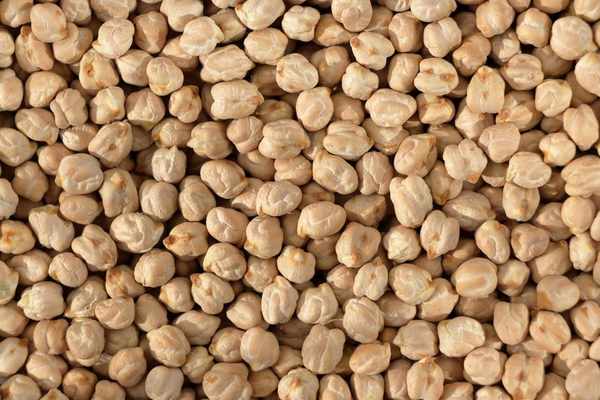
Pulses combine protein with fibre. A generous cooked portion of lentils can provide around 15 to 18g, while chickpeas and beans usually offer slightly less. Add them to soups, curries, salads and rice bowls. They are among the most economical protein sources in UK supermarkets.
Tofu, Tempeh and Edamame
These are strong plant-based choices. Protein content varies, and tempeh is generally denser than tofu. Press and season tofu before roasting or air-frying it for a firmer texture.
Protein Foods for Dinner
Lean Beef and Pork
Lean steak, lower-fat mince and trimmed pork provide protein plus iron, zinc and vitamin B12. Rotate them with poultry, fish and pulses. UK guidance advises eating less red and processed meat, so sausages, bacon and ham should not become default muscle building foods.
Fish and Prawns
Cod, haddock, salmon and prawns pair easily with potatoes, rice and vegetables. Frozen fish fillets are often cheaper than fresh and convenient for quick dinners.
Quorn, Seitan and Meat-Free Mince
Meat substitutes can be practical, but nutrition varies. Seitan is usually high in protein but unsuitable for anyone avoiding gluten. Mycoprotein and meat-free mince work well in chilli, pasta sauce or curry; compare salt and protein between brands.
High-Protein Snacks That Are Worth Buying
Useful high protein snacks include boiled eggs, plain yoghurt, cottage cheese pots, roasted edamame, milk, reduced-fat cheese, hummus with vegetables and small portions of unsalted nuts. Protein bars and shakes are convenient but optional. A normal snack may provide similar protein for less money.
Look at protein per serving, not only the front-of-pack claim. A large “protein” flapjack may contain more calories and sugar than expected, while a simple yoghurt pot can deliver comparable protein.
A Budget UK Supermarket Protein Basket
For a low-cost weekly shop, prioritise eggs, large tubs of plain yoghurt, cottage cheese, dried or tinned lentils, chickpeas, beans, frozen chicken, tinned fish, milk or fortified soya drink, tofu and frozen edamame. Own-brand versions are often nutritionally similar to premium products.
One realistic day could include skyr with oats at breakfast, a tuna and salad wholemeal wrap at lunch, cottage cheese with fruit as a snack, and lentil chilli with a smaller portion of lean mince at dinner. Depending on portions, that pattern can provide around 80 to 100g of protein while leaving room for vegetables and wholegrains.
Useful related guides include Macros and Micronutrients Explained, How Much Protein Do I Need, and High Fibre Foods List UK.
Frequently Asked Questions
What is the cheapest high-protein food in the UK?
Dried lentils, beans, eggs, milk and large own-brand yoghurt tubs are usually among the best-value options. Compare cost per serving rather than pack price alone.
Can I get enough protein without meat?
Yes. Dairy, eggs, soya foods, tofu, tempeh, lentils, beans, chickpeas, peas, nuts and seeds can provide enough when meals are varied and portions are appropriate.
Do I need protein powder to build muscle?
No. Resistance training, sufficient food and regular protein-containing meals matter more than owning a supplement. Powder can be convenient, but it is not compulsory.
Is eating more protein always better?
No. Once needs are met, extra protein does not automatically produce extra muscle and may crowd out fibre-rich foods. People with kidney disease or other medical conditions should seek individual professional advice.
Build Meals, Not Just a Protein Number
The strongest high protein foods list is built around variety and practicality. Choose a mixture of lean animal foods and plant proteins, spread them across the day, and judge packaged products by the full nutrition label. That supports muscle maintenance and satisfying meals without paying a premium for every product carrying a protein claim.