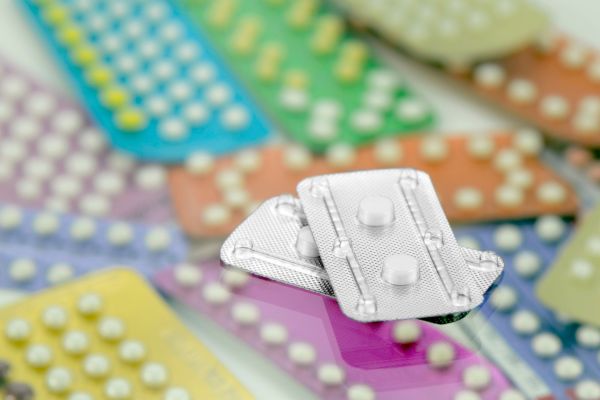
There are moments when life doesn’t go exactly as planned. A condom breaks. A pill is missed. A heat-of-the-moment decision leads to second thoughts the next morning. In those situations, knowing your emergency contraception options can make all the difference between panic and informed action.
Emergency contraception isn’t something most people think about until they suddenly need it. And when that moment arrives, it often comes with confusion, urgency, and sometimes shame. The truth is simpler: emergency contraception is a safe, widely used medical option designed to prevent pregnancy after unprotected sex or contraceptive failure. Understanding how it works—and which choice may suit your situation—can help you respond calmly and confidently.
What Emergency Contraception Actually Does
First, it helps to clear up a common misunderstanding. Emergency contraception prevents pregnancy. It does not end an existing pregnancy. It works primarily by delaying or preventing ovulation, meaning the ovary does not release an egg for sperm to fertilize.
If ovulation has already occurred and fertilization has taken place, emergency contraception will not terminate or disrupt that process. That distinction matters, especially in conversations shaped by misinformation.
Timing plays a crucial role. The sooner emergency contraception is used after unprotected sex, the more effective it tends to be. But not all methods work within the same time window, and that’s where the options begin to differ.
The Morning-After Pill: Levonorgestrel
The most widely recognized emergency contraception option is the levonorgestrel pill, often referred to casually as the “morning-after pill.” Brands such as Plan B One-Step contain a single dose of levonorgestrel, a synthetic hormone similar to progesterone.
Levonorgestrel works best when taken within 72 hours of unprotected sex, though it may still offer some effectiveness up to five days later. Its primary action is to delay ovulation. If no egg is released, pregnancy cannot occur.
One reason this option is so common is accessibility. In many countries, it’s available over the counter without a prescription and without age restrictions. That ease of access makes it a practical choice in urgent situations.
However, effectiveness can vary depending on timing and body weight. Some research suggests levonorgestrel may be less effective for individuals over a certain weight range. It’s not unsafe in those cases, but the reliability may decrease.
Side effects are usually mild. Nausea, fatigue, headache, and temporary changes in menstrual timing are the most commonly reported. A period might arrive earlier or later than expected, which can be unsettling but is generally normal.
The Prescription Option: Ulipristal Acetate
Another emergency contraception option is ulipristal acetate, sold under the brand name ella in several regions.
Ulipristal works differently from levonorgestrel. It blocks progesterone receptors, which can delay ovulation even if the body is closer to releasing an egg. Because of this mechanism, it may remain effective for up to five days after unprotected sex and can be more reliable later in that window.
Unlike levonorgestrel, ulipristal typically requires a prescription. That extra step can be inconvenient when time is limited, but it may offer an advantage in certain circumstances, particularly if more than three days have passed.
One important detail: hormonal birth control methods shouldn’t be started or resumed immediately after taking ulipristal without medical guidance, as they can interfere with its effectiveness. That nuance highlights why a brief conversation with a healthcare provider can be useful.
Side effects are similar to other emergency pills—temporary nausea, dizziness, abdominal discomfort, or menstrual changes. Serious complications are rare.
The Copper IUD: The Most Effective Option
When people think of emergency contraception options, they often picture pills. But the most effective method is actually the copper intrauterine device, commonly known as the copper IUD.
Brands like ParaGard are non-hormonal devices inserted into the uterus by a trained healthcare provider. If placed within five days of unprotected sex, the copper IUD can prevent pregnancy with extremely high effectiveness.
It works by creating an environment that is toxic to sperm, preventing fertilization. And unlike pills, it doesn’t rely on suppressing ovulation.
There’s another benefit: once inserted, it can remain in place for up to ten years as ongoing contraception. For someone who wants a long-term, hormone-free birth control option, this can feel like turning an emergency into a proactive decision.
That said, insertion requires a clinical appointment, and not everyone feels comfortable with the procedure. Some people experience cramping or heavier periods, especially in the first few months. As with any medical device, there are rare risks such as perforation or infection, though these are uncommon when performed correctly.
Timing Matters More Than You Think
Across all emergency contraception options, one theme stands out: timing is critical.
Levonorgestrel works best within three days. Ulipristal maintains effectiveness through five days and may work better later in the window. The copper IUD remains effective up to five days after unprotected sex and stands as the most reliable overall.
It’s also worth noting that emergency contraception does not protect against future unprotected sex in the same cycle. If intercourse happens again after taking a pill, pregnancy is still possible. Ongoing contraception should be discussed and started appropriately.
In moments of urgency, clarity can feel hard to access. But the general rule is simple: act sooner rather than later.
Side Effects and What to Expect
One of the biggest anxieties around emergency contraception is fear of “messing up” the body. In reality, these methods are considered safe for most individuals.
Menstrual changes are common. A period may come a few days early or late, and flow may be lighter or heavier than usual. Mild nausea or fatigue can occur but typically resolves quickly.
If vomiting happens within a few hours of taking a pill, another dose may be necessary. Severe abdominal pain weeks later should prompt medical evaluation, as it could indicate an ectopic pregnancy—rare, but important to rule out.
There’s no evidence that using emergency contraception affects long-term fertility. That’s a myth that continues to circulate, but research consistently shows fertility returns quickly.
Emotional Realities and Social Stigma
While the medical side is straightforward, the emotional side can feel complicated.
Seeking emergency contraception can bring up embarrassment, fear, or judgment—sometimes from others, sometimes internal. But needing it doesn’t reflect irresponsibility or moral failure. Contraceptive methods fail. Humans make imperfect choices. Biology is unpredictable.
Framing emergency contraception as a responsible response rather than a mistake shifts the narrative. It’s a tool. One designed for moments exactly like these.
Access and privacy also matter. Some people face barriers due to cost, location, or local regulations. Understanding the options ahead of time—before an emergency arises—can reduce stress if the need ever appears.
Choosing the Right Option for You
The “best” emergency contraception option depends on context.
If you need something immediately and can access a pharmacy, levonorgestrel may be the quickest solution. If more time has passed or ovulation may be near, ulipristal might offer stronger effectiveness. If you want both emergency protection and long-term contraception, the copper IUD could be ideal.
Personal medical history, body weight, timing in the menstrual cycle, and access to healthcare all play a role. A pharmacist or healthcare provider can help clarify those details without judgment.
No option is perfect, but having choices is empowering.
A Clear-Headed Approach to an Urgent Situation
Emergencies, by definition, don’t give us much time to prepare. But knowledge creates breathing room.
Understanding your emergency contraception options means knowing that pregnancy prevention after unprotected sex is possible. It means recognizing that action taken within hours or days can make a measurable difference. And it means separating facts from myths in a landscape that often blurs the two.
If you ever find yourself needing emergency contraception, remember this: you’re not alone, you’re not reckless, and you’re not out of options. You’re simply making an informed decision in response to a moment that didn’t go as planned.
In the end, emergency contraception isn’t about crisis. It’s about agency. And having that agency—especially when you need it most—matters.