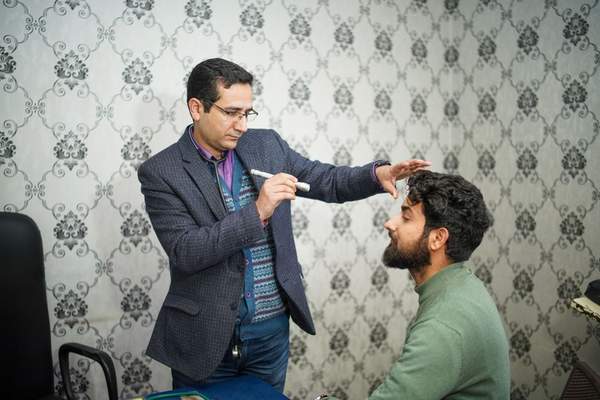
A men’s health check-up in the UK is less about ordering every available blood test and more about spotting the risks that matter to you. Blood pressure, cholesterol, family history and age shape which checks are worthwhile. A useful appointment ends with a plan, not just a collection of numbers.
There is no one-size-fits-all annual male health screening package on the NHS. Some checks are part of screening programmes; others are arranged when your history or symptoms suggest they would help.
Start with cardiovascular risk
Blood pressure, cholesterol and weight
High blood pressure often has no symptoms, yet increases the risk of stroke and heart disease. Ask when yours was last measured, particularly from age 40 or earlier if you have risk factors. A high reading may need confirmation with home or ambulatory monitoring.
Cholesterol is interpreted alongside age, smoking, blood pressure and family history. A GP may estimate your cardiovascular risk before discussing lifestyle changes or medication. Weight, waist measurement, activity and alcohol intake add context; none tells the whole story alone.
Blood sugar and kidney checks
Type 2 diabetes testing may involve an HbA1c or blood glucose test if you have excess weight, raised blood pressure, family history or other risks. Kidney blood and urine tests are especially relevant for people with diabetes or hypertension, rather than automatic extras for everyone.
These men’s health tests are valuable when their results guide action. Ask what any abnormal result means and when to test again.
What does an NHS Health Check include?
In England, eligible adults aged 40 to 74 are generally invited for a free NHS Health Check every five years. People with certain existing conditions, including diabetes or hypertension, usually receive different regular reviews instead. The appointment covers blood pressure, cholesterol, body measurements and questions about lifestyle and family history, with further tests when indicated.
This specific programme operates in England, not as a UK-wide entitlement. In Scotland, Wales or Northern Ireland, ask your GP practice about available preventive reviews. You can raise a concern anywhere in the UK without waiting for a formal GP health check.
Screening invitations worth knowing about
Bowel cancer screening
A home faecal immunochemical test (FIT) looks for hidden blood in a stool sample. England, Scotland and Wales offer routine bowel screening to people aged 50 to 74, usually every two years. Northern Ireland currently covers ages 60 to 74, with a phased reduction in starting age beginning in November 2026.
Return your kit even if you feel well. But blood in your stool, persistent bowel changes or unexplained weight loss need GP assessment regardless of any screening result. Check your nation’s service for current eligibility.
Abdominal aortic aneurysm screening
Men are generally invited for a one-off abdominal aortic aneurysm ultrasound around age 65. It checks for enlargement of the main blood vessel in the abdomen. If you are older and missed an invitation, ask your local screening service. A family history can justify an earlier discussion.
Lung screening after smoking
England is expanding lung cancer screening for eligible people aged 55 to 74 who smoke or have smoked. Invitations depend on local rollout and risk assessment; not everyone receives a scan. Seek assessment for coughing up blood, a persistent cough or unexplained breathlessness rather than waiting for screening.
Prostate and testicular checks are different
There is no universal routine prostate cancer screening test for men in the UK. A PSA blood test may help assess risk, but a raised result does not necessarily mean cancer. It can also lead to unnecessary investigations. Discuss benefits and drawbacks with your GP, particularly from age 50 or earlier if your family or genetic history raises concern.
In 2026, the UK National Screening Committee recommended targeted PSA screening for a narrowly defined group with a harmful BRCA2 variant and relevant family history, not population-wide screening. The recommendation should not be mistaken for an already available nationwide programme. For more, read our guide to PSA testing and prostate health.
There is no routine population screening programme for testicular cancer either. A new lump, swelling, change in firmness or persistent discomfort warrants a GP appointment, whatever your age.
When symptoms change the tests you need
Fatigue, reduced libido or erectile difficulties can arise from stress, medication, sleep problems and cardiovascular disease. Testosterone is not a standard annual blood test. If symptoms suggest a hormonal problem, a clinician may arrange morning testing and repeat a low result before diagnosis.
Sexual health testing depends on exposure and symptoms rather than age alone. A sexual health clinic can advise on HIV, syphilis, chlamydia and gonorrhoea tests. Persistent low mood, poor sleep and harmful drinking also belong in a health conversation.
Tell your clinician if close relatives developed early heart disease, bowel cancer, prostate cancer or inherited conditions. Family history can change which routine checks men need and when. A men’s health checks by age guide can help you prepare.
Prepare for a practical conversation
Consider a 43-year-old whose father had a heart attack at 49. He feels well and wants a broad private test package. Checking blood pressure and cholesterol, discussing his family history and estimating cardiovascular risk may be more useful than ordering unrelated tests with borderline results.
Write down your medicines, symptoms, relevant family history, recent readings and screening invitations. Ask which tests are recommended, how results will be communicated and what happens next. If you already have a condition such as diabetes, prioritise its scheduled reviews.
Frequently asked questions
How often should men have a health check in the UK?
There is no universal annual timetable. Eligible adults in England may receive an NHS Health Check every five years from 40 to 74; other monitoring depends on personal risks and diagnosed conditions.
Can I ask my GP for a full set of blood tests?
You can discuss your concerns, but tests should answer a meaningful clinical question. More testing can create confusing results without improving health.
Should I have a PSA test without symptoms?
It calls for an informed discussion, not an automatic test. Age, family history, genetic risk and the potential harms of unnecessary investigation all matter.
Are private men’s check-ups better than NHS checks?
Not automatically. Convenience can be useful, but ask why each test is included, who interprets it and whether follow-up care is arranged.
Choose checks that lead somewhere
The best approach is neither ignoring preventive care nor requesting every test available. Keep screening invitations up to date, discuss new symptoms promptly and review the risks most relevant to you with your GP practice. A well-chosen check is more useful than the longest list.